

Snorkeling and Diving in Grenada
GRENADA’S MARINE ENVIRONMENT

Begin with an overview of Grenada’s rich marine biodiversity, which is supported by an extensive coral reef system and numerous shipwrecks that have become artificial reefs. Emphasise the clear, warm waters that make diving and snorkeling accessible year-round. Highlight the Underwater Sculpture Park, created by artist Jason deCaires Taylor, which not only serves as a tourist attraction but also as an artificial habitat, enhancing marine biodiversity. Describe how the sculptures have been colonized by a variety of coral species, providing divers and snorkelers with a surreal and beautiful experience.
TOP DIVE SITES
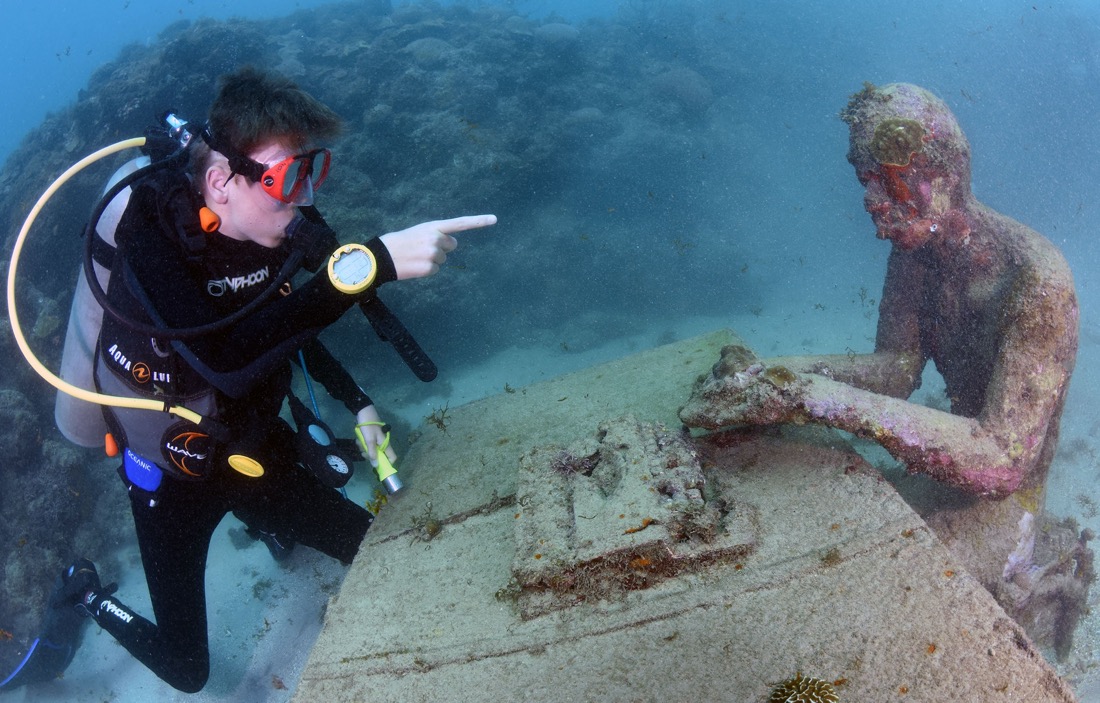
Detail other popular dive sites around Grenada, such as the Bianca C wreck, known as the "Titanic of the Caribbean" due to its size and the dramatic history associated with it. Discuss Flamingo Bay, an ideal site for both novice and experienced divers due to its shallow waters and abundant fish life. Mention the Moliniere Reef, known for its vibrant coral gardens and diverse fish species, offering perfect conditions for underwater photography.
CONSERVATION EFFORTS AND DIVER RESPONSIBILITY
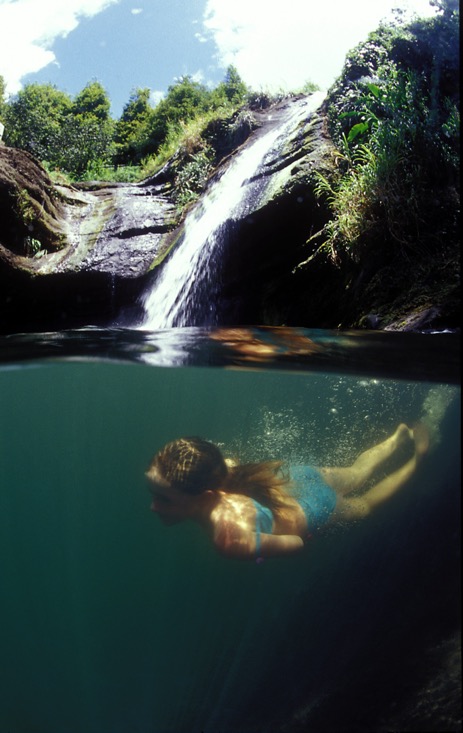
Discuss the ongoing conservation efforts to preserve Grenada’s marine environments, including coral reef restoration projects and sustainable tourism practices. Emphasise the importance of responsible diving practices such as buoyancy control, not touching or taking marine life, and the role of divers in reporting environmental disturbances. Highlight programs and certifications available through local dive shops that educate divers on ecological preservation.
ENGAGEMENT TIP FOR TRAVEL AGENTS
Promote Grenada’s diving and snorkeling experiences by highlighting the unique combination of natural and man-made attractions underwater. Encourage clients to participate in eco-friendly dive tours and consider obtaining specialty certifications in buoyancy or marine life identification to enhance their diving skills and environmental awareness.